Ever wondered what Myanmar people eat for dessert?
These sweet treats are often sold by vendors who roam the neighborhood streets with push carts, and they hold a special place in the childhood memories of many Burmese people.
In this blog, I'll share some of the most famous desserts found throughout the country and even tell you what ingredients you need to make them right at home!

Thar Gu (သာကူ)
Named after the main ingredient, the Sago pearls - သာကူစေ့ (thar gu sei), this dessert is simple yet unforgettable. The chewy texture combined with the soft, warm sweet potato cubes will leave you longing for more. My personal favorite since it's easy to make, gives you cozy feelings and pretty filling for your stomach!
- Coconut Milk
- Jaggary / Palm Sugar syrup
- Boiled Sago pearls
- Sweet potato

Shwe Yin Aye (ရွှေရင်အေး)
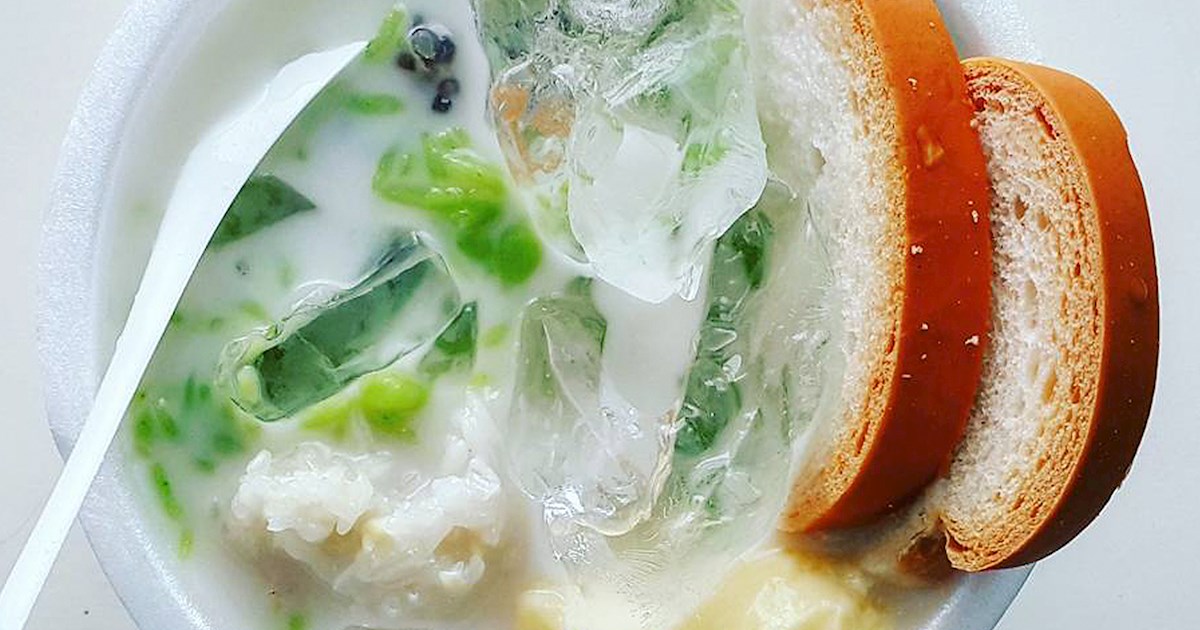
As a tropical country with plenty of sunshine, people in Myanmar often prefer desserts with icy syrup to help cool down their body temperature. Shwe Yin Aye is a popular Burmese dessert typically served cold with ice, making it a refreshing treat, especially on hot days. The name itself literally translates to "Golden ရွှေ(shwe) Chest ရင်(yin) Cooler အေး(aye)". This sweet, creamy dessert is a comforting favorite for many and is often enjoyed during special occasions, Thingyan festival or just as a casual snack after work.
- Coconut Milk
- Sugar syrup
- Steamed Sticky Rice
- Coconut/Cendol jelly
- Bread
- Salt
Mote Lat Saung (မုန့်လက်ဆောင်း)
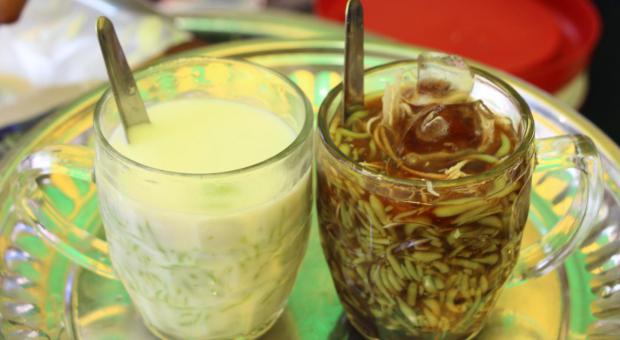
This is more of a cold drink that you can chuck right from the cup than a solid dessert. However, it's more watery than the other two mentioned above. This type of dessert is common all across Asia so whenever I travel and find a similar drink, it always reminds me of the Burmese version Mote Lat Saung.
- Coconut Milk or Palm Sugar syrup
- Cendol jelly
- Ice cubes
Khout Mote (ခေါက်မုန့်)
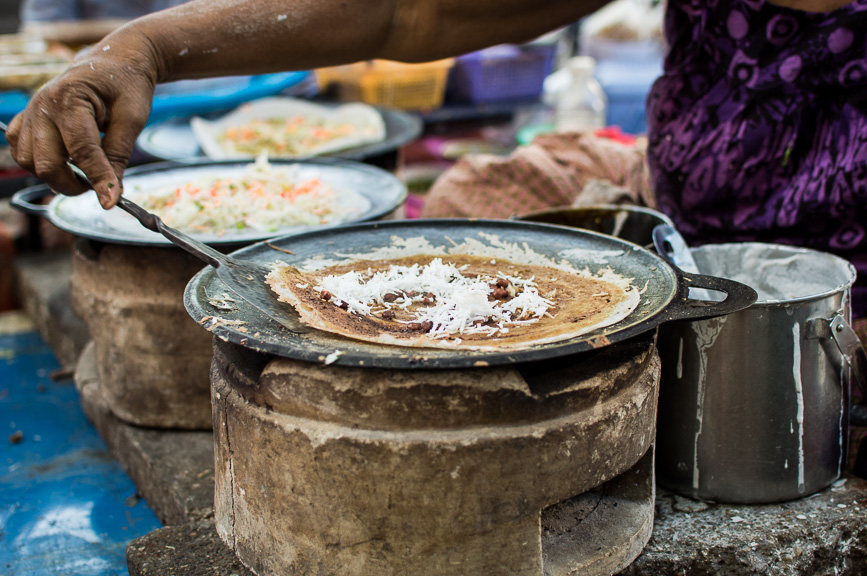
A delicate and crispy folded crepe, which direct translation is "folded snack". It is made by spreading rice flour on a hot flat skillet and topped with jaggery and fresh coconut shavings, and optionally complemented with other fillings like boiled red beans. The sweet aroma of the burning batter will make you salivate and want to stuff your mouth with this warm, crispy treat!
- Rice flour batter
- Jaggery syrup
- Coconut shavings
- Red beans
Mote Lat Kout (မုန့်လက်ကောက်)
This is a Burmese style donut (Bracelet snack) usually paired with the palm sugar syrup. It's kids favorite and I remember begging my mom to buy it for me every weekend when I was little, although it was denied most of the time because she's worried it'll give me constipation. It's a little oily, chewy and slightly sweet. If you have a sweet tooth like me, you'd dip the whole ring inside the jaggary syrup and clear the whole plate in minutes!
- Rice flour and glutinous rice flour
- vegetable oil
- Salt
- Jaggery syrup

In modern days though, people eat more extravagant desserts like Falooda or Domino at the restaurants. They really are delicious but I'm sure we crave the traditional treats at some point and they holds a special place in our hearts. If you have time, you should try to make some of the desserts mentioned above. You won't regret!
Comments
Post a Comment